Women in Coal Towns: Work Beyond the Mine
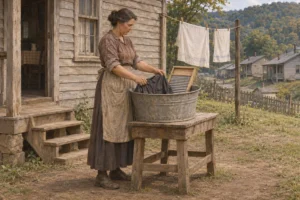
Women in coal towns kept households running, found extra income, and helped sustain strikes. Their work shaped mining communities far beyond the mine entrance.

Explore the lives behind Appalachian coal mining, from long shifts underground to family life in company towns. Discover how miners and their families worked, built communities, and fought for better conditions. Through company stores, lunch buckets, coal camp baseball, and the Mine Wars, follow the human stories of a changing Appalachia.
Women in coal towns kept households running, found extra income, and helped sustain strikes. Their work shaped mining communities far beyond the mine entrance.
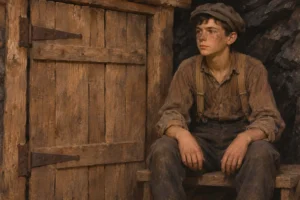
Children in coal mines opened doors, hauled loads, and worked around dangerous machinery. Explore their jobs, interrupted schooling, and the evidence behind these histories.

What did coal miners eat? Lunch buckets carried practical meals shaped by money, family work, and regional traditions, with no single menu shared by everyone.
A coal mine tipple connected underground labor with the railroad. Follow a load through dumping, sizing, and loading at a documented Kentucky mining operation.
Coal mine mules hauled heavy cars through underground passages. Their drivers needed patience and skill, and their daily routines varied from mine to mine.
Coal mining lamps helped miners work in darkness, but different designs brought different risks. Explore the move from open flames toward electric cap lamps.
Coal mining jobs in the 1900s demanded more than digging. Follow the workers, tools, and unpaid tasks that helped move coal from seam to railroad.
Coal scrip could buy necessities and deepen dependence on an employer. Follow the money through payday advances, store purchases, and deductions from miners’ wages.
Coal mining company towns tied home life to the workplace. Explore housing, schools, churches, and the ways families built communities under company control.
Appalachian coal mining changed where people lived, how they earned a living, and what their families faced. Meet the communities behind the industry.