Why Did Coal Towns Decline?
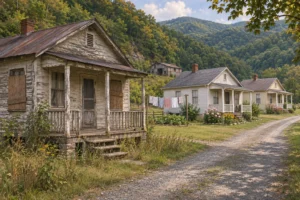
Why did coal towns decline? Mine closures, fewer jobs, and changing transport reshaped communities, but some towns survived as residents found new ways forward.

Explore the lives behind Appalachian coal mining, from long shifts underground to family life in company towns. Discover how miners and their families worked, built communities, and fought for better conditions. Through company stores, lunch buckets, coal camp baseball, and the Mine Wars, follow the human stories of a changing Appalachia.
Why did coal towns decline? Mine closures, fewer jobs, and changing transport reshaped communities, but some towns survived as residents found new ways forward.
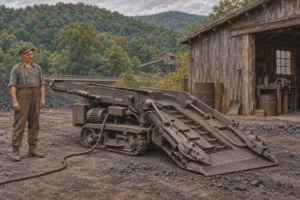
Coal mining mechanization changed the work and reduced the need for many hand loaders. Explore how new machines reshaped skills, employment, and mining families’ choices.

Battle of Blair Mountain history reaches beyond the fighting. Follow the miners’ aims, the red bandanas, and the consequences of the armed confrontation in 1921.
The Matewan massacre grew from a struggle over union organizing, evictions, and local authority. Explore what happened and how the violence affected the coalfields.
The Paint Creek strike spread into a bitter conflict across two valleys. Follow the families, organizers, mine guards, and officials caught in its consequences.
Mother Jones and coal miners built a powerful alliance, but they did not always agree. Explore her organizing, imprisonment, and role in Appalachian labor struggles.
Why did coal miners strike? Their demands reached beyond wages to working conditions, fair treatment, and the right to organize without losing jobs or homes.
Coal camp baseball brought crowds together after the working week. Discover company teams, local rivalries, and players whose lives connected the mines with professional baseball.
Immigrant coal miners arrived with different languages, skills, and hopes. Follow the family networks and community institutions that helped them build lives in Appalachian coalfields.
African American coal miners helped build Appalachian industry while seeking opportunity for their families. Their stories also reveal segregation, unequal treatment, and lasting community ties.